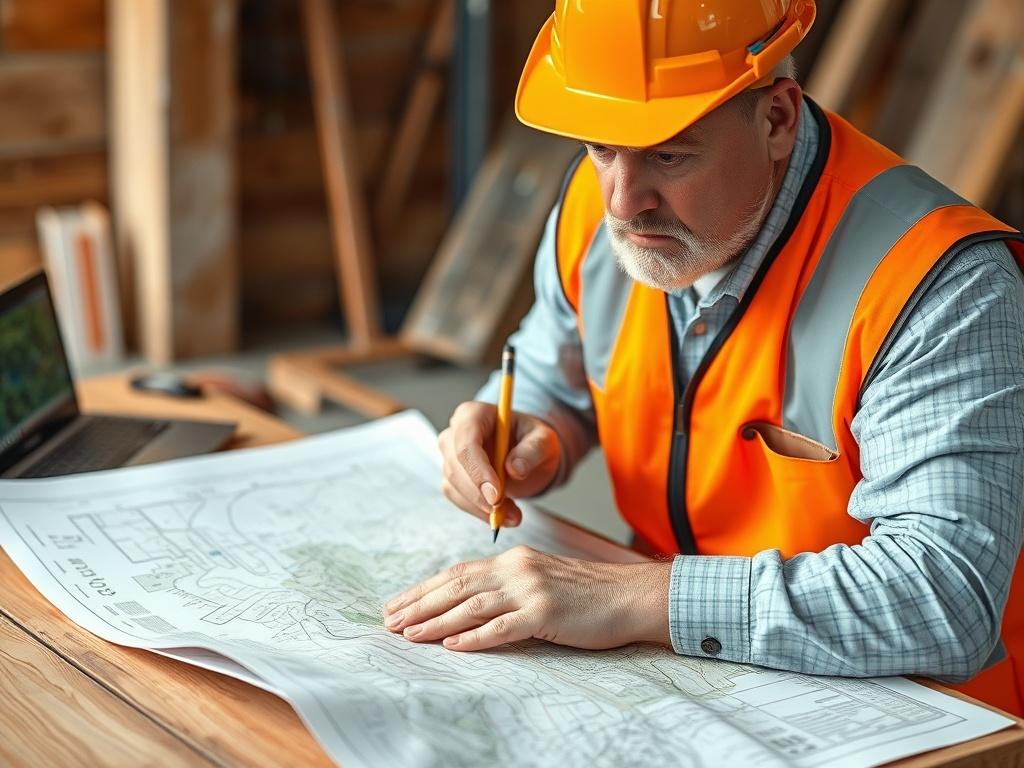
Effective communication between survey and GIS teams is crucial for successful project outcomes in the ever-evolving landscape of land surveying and mapping. When these teams collaborate seamlessly, they can leverage their unique expertise to minimize errors during data collection and analysis. This cooperation not only enhances result accuracy but also streamlines workflows, ensuring projects are completed on time and within budget. However, when survey and GIS professionals operate in silos, they risk encountering significant issues that can lead to costly mistakes and delays.
This blog post explores the consequences of poor communication between survey and GIS teams and highlights common errors that result from their failure to work together. We will also delve into how GIS helps surveyors avoid errors you never see—and deal with later if they occur—by providing critical context and insights that enhance decision-making and reduce risk.
Understanding the Importance of Communication between Survey and GIS Teams
Effective communication between the survey and GIS teams is crucial to ensure project success and minimize errors. When these two teams collaborate closely, they share vital information, insights, and resources, enabling more accurate mapping and data collection. The synergy between surveyors' on-the-ground expertise and GIS specialists' technical knowledge allows for smoother workflows, ultimately saving time and reducing costs. Disjointed communication, on the other hand, can create gaps in data interpretation and analysis, leading to costly mistakes over time.
Regular meetings and updates between the survey and GIS teams foster a culture of teamwork and mutual understanding. By discussing project goals, timelines, and expectations, both teams can establish clearer protocols. This proactive communication helps address issues early on and ensures that everyone is aligned on project specifications.
Common Errors Surveyors Face without GIS Collaboration
When survey and GIS teams operate in silos, they inevitably create gaps that lead to significant errors in data collection. For instance, inaccuracies in boundary delineations often arise from outdated or incomplete maps used during surveys. Without GIS input, surveyors may unknowingly rely on obsolete data, missing vital changes in land use or property lines over time. This oversight can lead to costly legal disputes and rework, diminishing project efficiency and undermining overall stakeholder trust.
Additionally, surveyors may struggle with spatial analysis when GIS teams are not involved. Without proper GIS integration, survey data may lack essential geographic context, making it challenging to assess site viability, environmental impact, and infrastructure planning. Errors can manifest as improper site selection, where surveyors miss critical topographical features or ecological constraints, resulting in projects that face delays and increased costs. The lack of effective communication between these teams not only hampers productivity but also leads to outcomes that require rectification later, underscoring the importance of collaboration in avoiding these pitfalls.
How GIS Helps Surveyors Avoid Errors You Never See
GIS technology serves as a crucial tool that enhances the accuracy and efficiency of surveying projects. By integrating spatial data with survey information, GIS enables surveyors to make more informed decisions during data collection and analysis. For example, GIS can help identify potential obstacles or complex terrain that may not be immediately apparent in traditional surveying. This proactive approach allows surveyors to anticipate challenges and adjust their methodology accordingly, reducing the chances of errors that would otherwise remain hidden until it’s too late.
In addition, GIS offers advanced data visualization capabilities that help surveyors identify inconsistencies or anomalies in their data. When survey teams collaborate closely with GIS professionals, they can overlay data layers, including topographic maps, property boundaries, and infrastructure details. This collaboration provides a clearer view of the project area, enabling surveyors to identify discrepancies early in the process.
Reach Out to AOI Solutions Today!
At AOI Solutions, we help businesses and public agencies stay ahead of the curve. If you’re ready to modernize your GIS tools or build a more brilliant location data strategy, we’re here to help. Get in touch today to learn more.